All Categories
Featured

Table of Contents
- – Instant Air Solutions
- – Why Regular Residential HVAC Maintenance Is Es...
- – The Real Cost of Neglecting Maintenance
- – Benefits for Energy Efficiency and Indoor Air...
- – How Maintenance Protects Against Southern Cal...
- – Heat Waves and High Dust Loads
- – Wildfire Smoke and Allergen Impact
- – How Often Should You Schedule Residential HVAC...
- – Recommended Frequency for Different Systems
- – Factors Influencing Maintenance Timing in Los...
- – Signs Your System Needs Immediate Attention
- – Unusual Noises or Odors
- – Rising Energy Bills
- – Your Complete Monthly DIY Residential HVAC Mai...
- – Air Filter Inspection and Replacement
- – Outdoor Unit Clearance and Debris Removal
- – Thermostat and Vent Checks
- – Basic Cleaning Tips
- – When to Upgrade Filters
- – Spring and Summer Professional Residential HVA...
- – Coil Cleaning and Refrigerant Checks
- – Condensate Drain and Electrical Inspections
- – Blower Components and Airflow Testing
- – Safety Controls Verification
- – Performance Calibration
- – Fall and Winter Residential HVAC Maintenance E...
- – Furnace and Heat Exchanger Inspection
- – Gas Pressure and Combustion Testing
- – Flue and Venting System Review
- – Ignition and Safety Device Checks
- – Lubrication of Moving Parts
- – Southern California-Specific Tips for Resident...
- – Handling Dust, Pollen, and Wildfire Smoke
- – Preparing for Heat Waves Along the I-5 Corridor
- – Allergy Season Adjustments
- – Filter Selection for Regional Air Quality
- – System Adjustments for Variable Weather
- – DIY vs Professional Residential HVAC Maintenan...
- – Safe DIY Tasks and Limitations
- – When Professional Service Is Required
- – Warranty and Compliance Considerations
- – EPA Regulations on Refrigerant
- – Safety Risks of Improper Work
- – Common Problems Prevented by Consistent Reside...
- – Reduced Breakdowns and Emergency Repairs
- – Better Indoor Air Quality and Health
- – Lower Long-Term Ownership Costs
- – Common Concerns About Residential HVAC Mainten...
- – Pricing Transparency and What to Expect
- – Time Commitment and Scheduling Flexibility
- – Worry About Hidden Issues or Upsells
- – Areas We Serve Throughout Los Angeles, San Fer...
- – Frequently Asked Questions About Residential H...
- – How much does residential HVAC maintenance co...
- – How often should residential HVAC maintenance...
- – What does a professional residential HVAC mai...
- – Is annual maintenance worth the investment?
- – Can homeowners safely handle all maintenance ...
- – How does maintenance improve indoor air quality?
- – What are signs my HVAC system needs maintenance?
- – Does maintenance affect my warranty?
- – How long does a professional tune-up take?
- – Why choose professional residential HVAC main...
- – We Can Help! Contact Us Today
- – Instant Air Solutions
Residential HVAC maintenance is one of the most valuable investments any homeowner can make to protect comfort, indoor air quality, energy efficiency, and long-term equipment reliability. This detailed guide walks you through every important step of a residential HVAC maintenance checklist, from easy monthly homeowner tasks to in-depth professional tune-ups that stop expensive failures before they happen.
Whether you're facing extreme summer temperatures in the LA area or dealing with dust, pollen, smoke, and temperature swings throughout Southern California, following this proven residential HVAC maintenance routine delivers real results homeowners feel right away — cooler summers, warmer winters, cleaner air, and significantly lower utility bills.
Why Regular Residential HVAC Maintenance Is Essential for Your Home Comfort
At its core, residential HVAC maintenance consists of scheduled inspections, cleaning, calibration, lubrication, and minor adjustments designed to keep your entire heating, ventilation, and air conditioning system operating at maximum efficiency. When homeowners skip these critical steps, small issues rapidly turn into — dirty evaporator coils efficiency drops, refrigerant leaks force compressors to overwork, and clogged condensate lines lead to water damage and mold issues.
According to guidelines by ENERGY STAR, poorly maintained systems can lose as much as 30% of their designed efficiency, which immediately results in higher monthly energy costs and significantly reduced system lifespan.
In Southern California, environmental conditions create extra demands. Intense summer heat pushes air conditioners to their limits, while colder nights demand reliable heating performance. Dust, pollen, and wildfire smoke accelerate filter clogging and coil fouling, making regular residential HVAC maintenance absolutely essential in this demanding climate.
Homeowners who consistently follow these steps experience more consistent temperatures, fewer breakdowns, and much lower overall ownership expenses.
The psychological benefit cannot be overstated: no one wants to walk into a home that feels uncomfortably hot during a heat wave or wake up to a cold house during a rare cold snap. On the logical side, the numbers speak for themselves: preventive residential HVAC maintenance typically pays for itself within one or two seasons through energy savings alone, while simultaneously eliminating the financial shock of emergency repairs that can range from $500 to $5,000+ easily.
The Real Cost of Neglecting Maintenance
Skipping routine residential HVAC maintenance almost always leads to increased energy use, frequent failures, and faster component deterioration on expensive parts like compressors, heat exchangers, and motors. A single emergency service call in the middle of summer can cost 3–5× more than planned maintenance. Over time, neglected systems also spread more dust, allergens, and contaminants indoors, which can negatively impact respiratory health — especially critical in households with young kids, seniors, or respiratory sensitivities.
Benefits for Energy Efficiency and Indoor Air Quality
Properly maintained systems deliver dramatically improved airflow, balanced temperatures throughout every room, and noticeably cleaner indoor air. Clean coils transfer heat more effectively, calibrated thermostats prevent short-cycling, and clear drains prevent water-related mold problems. The combination creates a cleaner, healthier home while also lowering your monthly energy bills — numerous homeowners see 15–25% reductions in cooling and heating expenses after implementing consistent residential HVAC maintenance routines.
How Maintenance Protects Against Southern California-Specific Challenges
California's diverse microclimates and environmental conditions require thoughtful, location-specific approaches to residential HVAC maintenance. What works perfectly in gentle coastal zones may prove insufficient in hotter inland valleys or areas prone to periodic poor air quality.
Heat Waves and High Dust Loads
In extended heat waves, outdoor units run nonstop amid high heat and heavy dust. Scheduled coil cleaning and airflow testing stop overheating and efficiency drops that would otherwise dramatically increase energy use.
Wildfire Smoke and Allergen Impact
Smoke particles and allergens from nearby vegetation can quickly clog filters and coat internal components. Proactive filter upgrades and frequent changes during poor air quality periods protect both the equipment and the indoor environment from dangerous pollutants.
Making regular residential HVAC maintenance a priority provides lasting comfort protection and meaningful financial benefits. For tailored advice on applying these steps in your house, contact us for a no-cost system assessment.
How Often Should You Schedule Residential HVAC Maintenance?
The strong recommendation from manufacturers, ENERGY STAR, and professional technicians is that professional residential HVAC maintenance should occur biannually: spring for cooling prep and fall for heating readiness. This biannual schedule allows technicians to handle seasonal requirements and identify problems before they become serious. Between professional visits, monthly DIY checks (particularly air filter inspection) help maintain performance and identify problems before they become serious.
Southern California homeowners usually see better results with a bit more frequent care due to local conditions. High dust levels near construction sites or along major corridors, intense pollen during spring, and periodic wildfire smoke events can necessitate additional filter changes or visual inspections. Families living in busy homes, pet-owning households, or older properties typically see the best results when they adopt a slightly more proactive schedule.
Recommended Frequency for Different Systems
Central split systems, ductless mini-splits, heat pumps, and gas furnaces each have slightly different maintenance intervals based on factory guidelines. Most high-efficiency equipment requires documented professional service at least annually to maintain warranty coverage, while conventional systems perform best with the classic spring and fall visits.
Factors Influencing Maintenance Timing in Los Angeles Area
Climate, home size/age, occupancy, pets, freeway proximity, industrial zones, and landscaping all affect the best maintenance schedule. Coastal homes often require more corrosion checks, whereas inland residences deal with greater dust and heat stress.
Signs Your System Needs Immediate Attention
Pay attention to warning signs that indicate the need for prompt residential HVAC maintenance. These include obvious room-to-room temperature differences, strange sounds, odd smells, unexplained bill increases, weak vent airflow, or rapid cycling.
Unusual Noises or Odors
Mechanical grinding, squealing, or banging typically indicates loose parts or wear. Musty smells often mean mold in drains or ducts, and burning odors usually point to electrical issues needing urgent care.
Rising Energy Bills
A sharp rise in energy bills without usage changes almost always means the system is struggling due to dirty components, leaks, or airflow problems that professional service can quickly correct.
Creating a proper maintenance schedule prevents most emergencies and maintains peak system performance (Furnace Repair North Hills). Our experienced technicians can help design a personalized residential HVAC maintenance schedule that fits your home perfectly and aligns with your family's comfort goals
Your Complete Monthly DIY Residential HVAC Maintenance Checklist
Monthly DIY residential HVAC maintenance activities take little time and need no special equipment, yet they deliver substantial benefits in system performance and longevity. These easy homeowner actions target the parts that suffer most from daily use and local conditions, significantly reducing strain on major mechanical parts.
Air Filter Inspection and Replacement
Your air filter is the first line of defense against dust, pollen, pet dander, and airborne particles entering your living spaces. Inspect it every month and replace it every 1–3 months depending on dust levels, pet presence, and outdoor air quality. Selecting the right MERV rating for your equipment provides excellent filtration while maintaining proper airflow.
Outdoor Unit Clearance and Debris Removal
Your outdoor condenser requires clear space around it to release heat efficiently. Clear away leaves, grass, dirt, weeds, and trash from at least two feet around the unit on every side. This easy step stops overheating and keeps the unit running efficiently even during peak summer heat.
Thermostat and Vent Checks
Verify that your thermostat accurately reflects indoor temperature and that all supply and return vents remain open and free from blockage by furniture, rugs, or draperies. Blocked vents cause pressure issues that make the blower strain and create uneven room temperatures.
Basic Cleaning Tips
Use a soft brush or damp cloth to gently remove dust buildup from accessible vents and registers. Never use harsh chemicals that might damage finishes or introduce fumes into your home air.
When to Upgrade Filters
Consider upgrading to pleated or higher-MERV filters during peak allergy seasons or when wildfire smoke affects air quality. Choose filters that balance excellent particle capture with adequate airflow to prevent unnecessary strain on your blower motor.
These straightforward monthly habits provide measurable improvements in both comfort and efficiency. When you want expert assistance or prefer to have these tasks handled professionally as part of a comprehensive residential HVAC maintenance plan, experienced pros are available to assist.
Spring and Summer Professional Residential HVAC Maintenance Tasks
A complete spring professional tune-up is essential preparation for the intense cooling demands that Southern California summers bring. Professional techs thoroughly inspect, clean, and optimize all cooling components to stop summer breakdowns before they start when service demand is high and temperatures are at their peak.
Coil Cleaning and Refrigerant Checks
Technicians use specialized cleaners and equipment to thoroughly remove dirt, debris, and biofilm from both evaporator and condenser coils. Furnace Repair North Hills. They also carefully check refrigerant levels and inspect the entire line set for any signs of leakage, ensuring the system operates at factory-specified efficiency
Condensate Drain and Electrical Inspections
Drain lines and pans are cleaned and treated to stop algae growth and clogs that lead to water leaks. Electrical components, contactors, capacitors, and wiring receive full inspection, tightening, and testing to catch problems early.
Blower Components and Airflow Testing
The blower assembly receives thorough inspection, cleaning, and lubrication where required. Technicians measure static pressure and total airflow to confirm proper distribution throughout ductwork and living spaces.
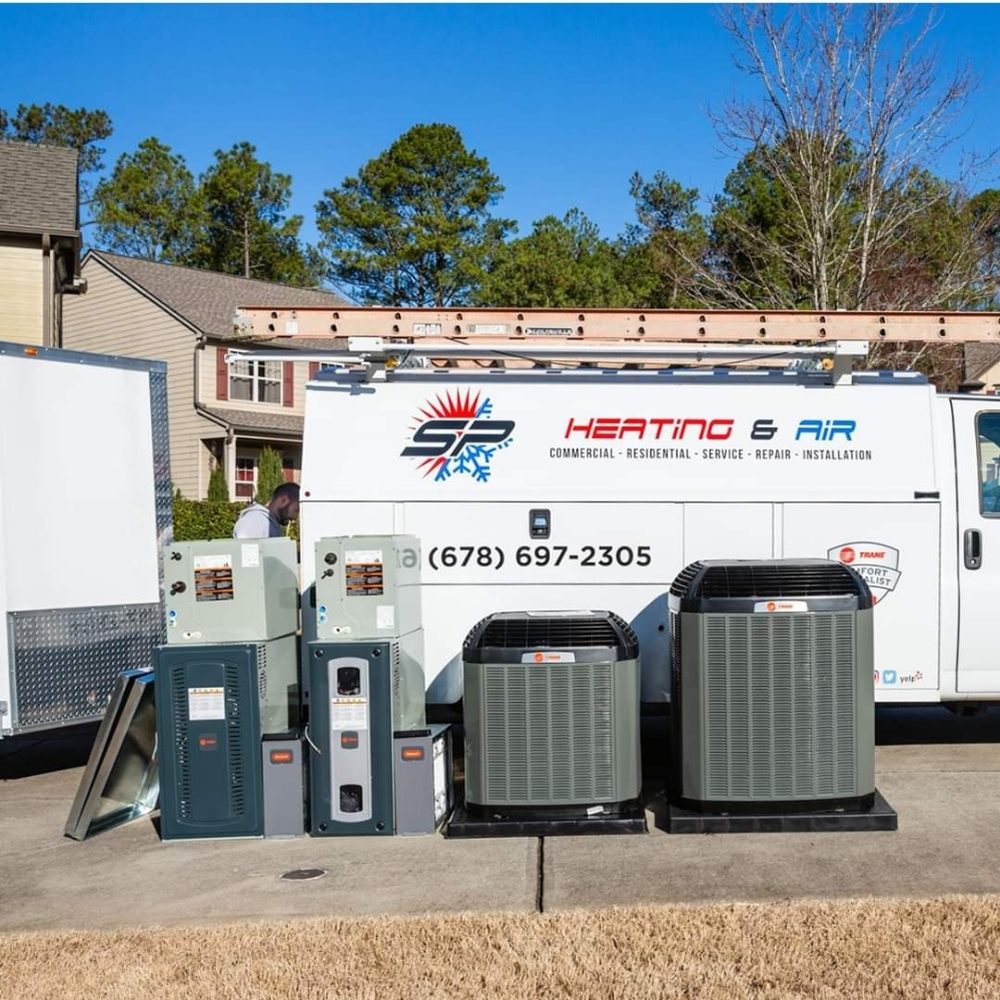
Safety Controls Verification
All safety devices, limits, and sensors are verified for correct function in emergency situations.
Performance Calibration
Thermostat accuracy, fan speeds, and system balance are adjusted for peak comfort with minimal energy use.
Expert attention during spring stops most summer failures before they occur. Many homeowners prefer to combine spring cooling prep with full-year HVAC maintenance plans for complete year-round confidence.
Fall and Winter Residential HVAC Maintenance Essentials
Fall professional inspections prioritize heating safety, clean burning, and dependable winter performance. Technicians conduct thorough checks of combustion components, vents, and safety devices to guarantee safe, efficient heating.
Furnace and Heat Exchanger Inspection
The heat exchanger receives close visual and sometimes camera-assisted inspection for cracks, corrosion, or signs of carbon monoxide leakage. Burners are cleaned and properly aligned to ensure clean, efficient combustion.
Gas Pressure and Combustion Testing
Gas pressure is precisely measured and set to factory specs. Digital combustion testing verifies correct fuel mixture and low emissions.
Flue and Venting System Review
All venting pipes, chimneys, and exhaust terminations are inspected for blockages, corrosion, proper pitch, and secure connections to prevent dangerous backdrafting.
Ignition and Safety Device Checks
Ignition components, flame sensors, rollout switches, and limits are fully tested for dependable operation and safety shutdown.
Lubrication of Moving Parts
All motors, bearings, inducer assemblies, and other moving components receive proper lubrication to minimize friction and extend service life.
Complete fall service removes nearly all winter heating worries. Our certified technicians guarantee all safety features exceed industry requirements.

Southern California-Specific Tips for Residential HVAC Maintenance
Southern California's varied climates and environmental factors demand customized, region-specific maintenance strategies. What works well in gentle coastal areas may prove insufficient in hotter inland valleys or areas prone to seasonal air quality challenges.
Handling Dust, Pollen, and Wildfire Smoke
Southern California experiences significant airborne particulate matter from construction, traffic, vegetation, and periodic wildfires. Installing pleated MERV 8–13 filters and changing them often during poor air quality events protects your system and indoor air.
Preparing for Heat Waves Along the I-5 Corridor
Areas near major corridors deal with increased dust and intense summer heat. Booking early spring service and providing shade for the condenser unit helps the system manage long heat waves efficiently.
Allergy Season Adjustments
Spring and fall bring heavy pollen loads from native plants and introduced species. Increasing filter replacement frequency and considering supplementary air purification helps maintain healthier indoor environments during peak allergy periods.
Filter Selection for Regional Air Quality
Choose filters that provide excellent particle capture while maintaining adequate airflow. Many homeowners find the best balance with MERV 11–13 filters that trap fine particles without overtaxing the blower motor.
System Adjustments for Variable Weather
Technicians adjust refrigerant, fan speeds, and thermostats to match changing seasonal conditions and air quality levels.
Understanding and addressing local environmental factors consistently produces superior results. For personalized advice for your exact Southern California area, consider professional residential HVAC services.
DIY vs Professional Residential HVAC Maintenance: What Homeowners Should Know
Homeowners frequently ask which tasks are safe for DIY and which need professional attention. The right choice depends on task complexity, safety risks, and legal requirements.
Safe DIY Tasks and Limitations
Filter replacement, outdoor unit debris removal, vent clearing, and basic visual checks are safe and valuable DIY tasks for the average homeowner. Furnace Repair North Hills. These simple steps provide meaningful performance improvements without specialized tools or training
When Professional Service Is Required
Refrigerant handling, electrical diagnostics, combustion analysis, heat exchanger inspection, gas line work, and any task involving refrigerant recovery or high-voltage components legally and safely require EPA-certified and properly trained technicians.
Warranty and Compliance Considerations
Most equipment manufacturers require proof of professional maintenance to maintain warranty coverage on major components. Missing required service can void coverage for costly repairs like compressors or heat exchangers.
EPA Regulations on Refrigerant
Federal law prohibits anyone except EPA Section 608-certified technicians from handling refrigerant. Attempting DIY refrigerant work can result in substantial fines and environmental harm.
Safety Risks of Improper Work
Wrong electrical work can cause fires, and improper gas connections can result in carbon monoxide dangers. Professional service eliminates these dangers through proper training and safety protocols.
The ideal combination of DIY and pro service maximizes system life and safety. Many families choose to handle basic monthly tasks themselves while relying on certified technicians for comprehensive seasonal maintenance. Learn more about our full range of HVAC maintenance services.
Common Problems Prevented by Consistent Residential HVAC Maintenance
Routine, properly executed residential HVAC maintenance eliminates the majority of common system failures and performance issues that frustrate homeowners and create expensive service needs.
Reduced Breakdowns and Emergency Repairs
Identifying worn capacitors, motors, leaks, cracked exchangers, and electrical issues early stops the majority of sudden breakdowns. Finding problems during regular service enables fixes at convenient times and much lower cost than emergency calls.
Better Indoor Air Quality and Health
Clean components, new filters, treated drains, and sealed ducts greatly reduce dust, mold, allergens, pet dander, and pollutants in your air. The result is a much healthier home, especially important for families with breathing sensitivities.
Lower Long-Term Ownership Costs
Regularly maintained systems run efficiently, consume less power, wear out slower, and last much longer before needing replacement. The total savings on energy and repairs almost always surpass the cost of routine service.
Prevention delivers reliability, health benefits, and substantial financial advantages. Homeowners who commit to consistent residential HVAC maintenance enjoy years of worry-free comfort and significantly reduced ownership costs.
Common Concerns About Residential HVAC Maintenance and How We Solve Them
A lot of homeowners delay regular maintenance because of worries about price, time, hidden upsells, or unclear benefits. Addressing these worries directly helps make informed decisions easier.
Pricing Transparency and What to Expect
Routine tune-ups usually cost $150–$350 per visit based on system size, age, and access. Yearly plans typically begin at $200–$400 and include priority service, repair discounts, and two full visits. Transparent, upfront pricing eliminates unpleasant surprises.
Time Commitment and Scheduling Flexibility
Typical service calls take 1–2 hours and can be booked at times that work best for you, including early mornings, evenings, or weekends. Very little disruption makes ongoing maintenance simple to keep up.
Worry About Hidden Issues or Upsells
Trustworthy technicians focus on transparent communication and recommend only necessary repairs with clear explanations and written estimates. Most homeowners value knowing issues were caught early instead of during a breakdown.
Clear communication, fair pricing, flexible scheduling, and a satisfaction guarantee address the most common homeowner concerns about residential HVAC maintenance. Professional care provides benefits that far outweigh its reasonable cost.
Areas We Serve Throughout Los Angeles, San Fernando Valley, Pasadena, Orange County California
We proudly serve the full Greater Los Angeles area and nearby regions, delivering expert residential HVAC maintenance near you across Los Angeles County and surrounding areas. This includes all major cities and neighborhoods in Los Angeles County, from coastal communities to inland valleys, including Los Angeles, Pasadena, Glendale, Santa Clarita, Long Beach, Torrance, Burbank, and dozens more.
Instant Air Solutions, 412 W Dryden St APT 6, Glendale, CA 91202, phone (747) 307-6363
Frequently Asked Questions About Residential HVAC Maintenance
How much does residential HVAC maintenance cost in Southern California?
Standard tune-ups usually cost $150–$350 per visit based on your system type and location. Yearly plans typically begin at $200–$400 and offer priority service, repair discounts, and two full visits. These investments typically pay for themselves through energy savings and avoided emergency repairs. Clear pricing lets you plan without surprises. Explore detailed pricing on our HVAC maintenance services page.
How often should residential HVAC maintenance be performed?
Professional service twice per year — spring for cooling and fall for heating — is the industry standard. Monthly DIY filter checks help maintain performance between visits. In high-dust or pollen-heavy areas like LA and Orange County, change filters more often. Learn more about our year-round approach on the residential services page.
What does a professional residential HVAC maintenance tune-up include?
Comprehensive service covers coil cleaning, refrigerant inspection, electrical testing, blower lubrication, drain clearing, safety checks, and full calibration. Techs check filters, thermostat precision, and complete airflow balance. See our full service list on the main website.
Is annual maintenance worth the investment?
Definitely — routine maintenance cuts energy costs 10–30%, adds years to equipment life, and avoids costly failures. The cost of one major repair often exceeds several years of planned maintenance. You get instant comfort gains plus major long-term savings. Discover how our plans deliver value on the About page.
Can homeowners safely handle all maintenance tasks?
Homeowners can safely change filters, clear outdoor debris, and check vents. Any work involving refrigerant, combustion, complex electrical, or heat exchangers must be done by certified technicians. Learn safe DIY practices on our contact page.
How does maintenance improve indoor air quality?
Well-maintained components greatly decrease dust, allergens, mold, and pollutants in your air. This is especially valuable during allergy season or after wildfire smoke events. Explore IAQ options on our services page.
What are signs my HVAC system needs maintenance?
Common indicators include uneven temperatures, strange noises, unusual odors, higher bills, weak airflow, or frequent cycling. These are early warning signs that professional service can resolve quickly. Schedule service through our convenient contact form.
Does maintenance affect my warranty?
Most equipment makers demand proof of professional service to maintain warranty coverage. Missing required service can void coverage for compressors, heat exchangers, and other expensive parts. Review warranty details on our Terms of Service page.
How long does a professional tune-up take?
Most comprehensive visits last 1–2 hours depending on system condition and any additional findings. Scheduling is flexible to fit your routine and minimize disruption. Schedule easily through our online booking page.
Why choose professional residential HVAC maintenance over DIY only?
Certified technicians catch hidden problems, ensure safety compliance, handle regulated materials safely, and optimize performance beyond DIY capabilities. The result is greater reliability, efficiency, and peace of mind. Explore the benefits of professional service on our About page.
We Can Help! Contact Us Today
Consistent residential HVAC maintenance delivers clear ROI with much lower energy bills, almost no emergency repairs, much longer equipment life, and significantly cleaner, healthier air. You gain deep peace of mind knowing your system will handle any weather, the relief of no surprise breakdowns, and the confidence of protecting your family's health and home value.
Instant Air Solutions brings NATE-certified expertise, completely transparent pricing, and an unconditional satisfaction guarantee to every residential service visit. Our certified pros provide quick, detailed, and dependable service customized for Southern California's demanding conditions. Based in Glendale, we serve homeowners, property managers, luxury homes, investors, and families across the whole area.
Whether you're fighting high bills, poor air quality, uneven temps, or simply want preventive care to avoid issues, our team delivers results you can count on. A no-cost consultation lets us evaluate your system and recommend the perfect maintenance plan for your home and family. With extensive regional experience and an unwavering commitment to your complete satisfaction, we make sure your home comfort system performs at its absolute best year after year.
Let us bring total confidence and peak efficiency back to your home right now.
Schedule Your Residential HVAC Maintenance Today – Call (747) 307-6363
Discover more about our comprehensive services on the main website main website, meet our team on the About page, see our complete HVAC installation services on the HVAC installation page, or check our privacy policy at our privacy policy page.

Instant Air Solutions
Address: 412 W Dryden St Apt 6 Glendale, CA 91202Phone: (747) 307-6363
Email: instantairsolutionsinc@gmail.com
Instant Air Solutions
Hvac Installers Near Me North Hills, CA
Hvac Tune‑up North Hills, CA
Heating And Air Repair North Hills, CA
Air Condition Service North Hills, CA
Residential Hvac Services North Hills, CA
Hvac Installation Near Me North Hills, CA
Hvac Installation Near Me North Hills, CA
Hvac Installers Near Me North Hills, CA
Heating And Air Repair North Hills, CA
Furnace Repair North Hills, CA
Residential Hvac Services North Hills, CA
Hvac Installation Near Me North Hills, CA
Gas Furnace Repair North Hills, CA
Residential Hvac Repair North Hills, CA
Hvac Repair North Hills, CA
Heating Repair Service North Hills, CA
Heater Repair Services North Hills, CA
Ac Service North Hills, CA
Hvac Tune‑up North Hills, CA
Hvac Tune‑up North Hills, CA
Heating And Air Repair North Hills, CA
Air Conditioner Not Working North Hills, CA
Residential Hvac Repair North Hills, CA
Air Conditioning Companies North Hills, CA
Hvac Tune‑up North Hills, CA
Residential Heating Repair North Hills, CA
Air Conditioner Service North Hills, CA
Residential Ac Repair North Hills, CA
Residential Hvac Near Me North Hills, CA
Hvac Company North Hills, CA
Hvac Service Near Me North Hills, CA
Hvac Installation Service North Hills, CA
Residential Hvac Services North Hills, CA
Close To Me Seo Company North Hills, CA
Finding A Local Seo Services Near Me North Hills, CA
Instant Air Solutions
Heater Repair Services North Hills, CA
Furnace Repair North Hills, CA

Table of Contents
- – Instant Air Solutions
- – Why Regular Residential HVAC Maintenance Is Es...
- – The Real Cost of Neglecting Maintenance
- – Benefits for Energy Efficiency and Indoor Air...
- – How Maintenance Protects Against Southern Cal...
- – Heat Waves and High Dust Loads
- – Wildfire Smoke and Allergen Impact
- – How Often Should You Schedule Residential HVAC...
- – Recommended Frequency for Different Systems
- – Factors Influencing Maintenance Timing in Los...
- – Signs Your System Needs Immediate Attention
- – Unusual Noises or Odors
- – Rising Energy Bills
- – Your Complete Monthly DIY Residential HVAC Mai...
- – Air Filter Inspection and Replacement
- – Outdoor Unit Clearance and Debris Removal
- – Thermostat and Vent Checks
- – Basic Cleaning Tips
- – When to Upgrade Filters
- – Spring and Summer Professional Residential HVA...
- – Coil Cleaning and Refrigerant Checks
- – Condensate Drain and Electrical Inspections
- – Blower Components and Airflow Testing
- – Safety Controls Verification
- – Performance Calibration
- – Fall and Winter Residential HVAC Maintenance E...
- – Furnace and Heat Exchanger Inspection
- – Gas Pressure and Combustion Testing
- – Flue and Venting System Review
- – Ignition and Safety Device Checks
- – Lubrication of Moving Parts
- – Southern California-Specific Tips for Resident...
- – Handling Dust, Pollen, and Wildfire Smoke
- – Preparing for Heat Waves Along the I-5 Corridor
- – Allergy Season Adjustments
- – Filter Selection for Regional Air Quality
- – System Adjustments for Variable Weather
- – DIY vs Professional Residential HVAC Maintenan...
- – Safe DIY Tasks and Limitations
- – When Professional Service Is Required
- – Warranty and Compliance Considerations
- – EPA Regulations on Refrigerant
- – Safety Risks of Improper Work
- – Common Problems Prevented by Consistent Reside...
- – Reduced Breakdowns and Emergency Repairs
- – Better Indoor Air Quality and Health
- – Lower Long-Term Ownership Costs
- – Common Concerns About Residential HVAC Mainten...
- – Pricing Transparency and What to Expect
- – Time Commitment and Scheduling Flexibility
- – Worry About Hidden Issues or Upsells
- – Areas We Serve Throughout Los Angeles, San Fer...
- – Frequently Asked Questions About Residential H...
- – How much does residential HVAC maintenance co...
- – How often should residential HVAC maintenance...
- – What does a professional residential HVAC mai...
- – Is annual maintenance worth the investment?
- – Can homeowners safely handle all maintenance ...
- – How does maintenance improve indoor air quality?
- – What are signs my HVAC system needs maintenance?
- – Does maintenance affect my warranty?
- – How long does a professional tune-up take?
- – Why choose professional residential HVAC main...
- – We Can Help! Contact Us Today
- – Instant Air Solutions
Latest Posts

Best Web Design Villa Park

Web Design Agency Near Me Villa Park

Dentist Internet Marketing Anaheim
More
Latest Posts
Best Web Design Villa Park
Web Design Agency Near Me Villa Park
Dentist Internet Marketing Anaheim