All Categories
Featured
Table of Contents
- – United Constructors Inc.
- – Understanding the Difference Between an ADU an...
- – Understanding Accessory Dwelling Unit Fundame...
- – Overview of Second-Story Additions
- – Key Structural Differences
- – When Each Option Fits Best
- – How Much Does an ADU vs Second Story Addition ...
- – ADU Cost Breakdown
- – Second-Story Addition Cost Factors
- – Financing Options and ROI Factors
- – Local Market Pricing Trends
- – ADU or Second-Story Addition: Which Has the Fa...
- – ADU Project Phases
- – Second-Story Addition Phases
- – Ways to Avoid Common Delays
- – Realistic Scheduling Tips
- – Permitting and California State Laws for ADU v...
- – Comparing State and Local Requirements
- – Typical Permitting Challenges
- – Policy and Practice Differences in Contra Costa
- – Effective Compliance Practices
- – Comparing ROI and Rental Income for Second-Sto...
- – Potential for Rental Income
- – Resale Value Impact
- – Metrics for Long-Term Performance
- – Factors That Influence Returns
- – Deciding When to Choose an ADU Over a Second-S...
- – Perfect Situations for ADU
- – Scenarios Where Second-Story Additions Excel
- – Framework for Decision Making
- – Family Expansion Scenarios
- – Seismic Retrofitting and Structural Considerat...
- – Foundation and Load-Bearing Requirements
- – Integration with Other Remodeling
- – Energy Efficiency and Accessible Design
- – Code Compliance Practices
- – We Can Help! Contact Us Today.
- – United Constructors Inc.
ADU vs second story addition represents two primary approaches homeowners use to create additional living space on their existing property. An accessory dwelling unit functions as an independent living area complete with its own entrance, kitchen, and bathroom while a second-story addition adds upper-level space that integrates directly with the existing floor plan. Homeowners regularly research ADU vs second story addition when facing space limitations due to family growth or lifestyle shifts. This detailed comparison examines key factors including costs, timelines, permitting requirements, structural considerations, and long-term value so you can make an informed decision tailored to your situation in Contra Costa County and surrounding areas.
Many residents face the same challenge of limited space while wanting to remain in their familiar neighborhood. Best Adu Builders Pleasanton. Grasping the actual differences between an ADU and a second-story addition minimizes doubt and promotes assured planning. Each choice can improve everyday comfort and increase property worth, although each provides distinct benefits based on your property layout, household needs, and budget considerations. Understanding area-specific zoning, seismic codes, and how additions fit with other remodeling projects is critical for achieving great results
Understanding the Difference Between an ADU and a Second-Story Addition
An accessory dwelling unit, commonly referred to as an ADU, functions as a completely independent living unit located on the same property. It includes independent access, kitchen, and bathroom facilities and can take forms such as detached cottages, attached units, or converted garage spaces. A second-story addition builds upward on the primary residence by creating additional rooms above the existing structure, resulting in integrated spaces that often include open floor plan conversion and load-bearing wall removal. Both approaches meet the demand for extra space yet provide different living experiences and practical benefits.
Understanding Accessory Dwelling Unit Fundamentals
An ADU offers privacy and adaptability for multigenerational living or rental income. Separate access lets occupants enjoy independence yet remain near loved ones. This choice is popular among homeowners who want to retain backyard area for outdoor use. The self-contained design supports varied uses including guest quarters or supplemental income generation.
Overview of Second-Story Additions
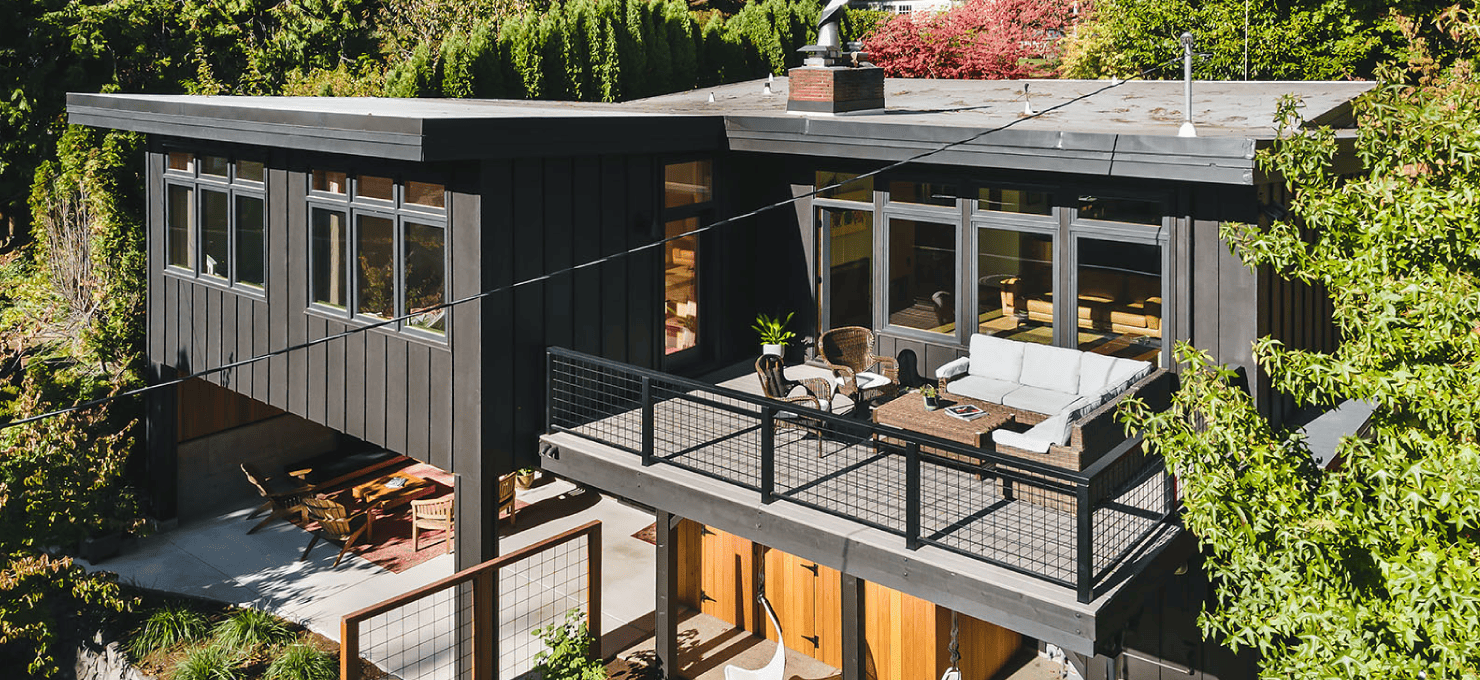
A second-story addition adds connected living area that blends seamlessly with the existing residence. Such expansions commonly feature new bedrooms, extended living zones, or modernized bathrooms joined directly to the original layout. The connected design promotes natural family interaction while expanding usable living area.
Key Structural Differences
ADUs often need independent utility hookups and foundation work in numerous situations, while second-story additions share existing systems but demand reinforced structural support and seismic retrofitting. These variations impact construction complexity, total costs, and compatibility with your current home layout.
When Each Option Fits Best
Residents wanting independent living space commonly prefer ADUs. Homeowners needing integrated additional space typically opt for second-story additions. A detailed assessment of your property features, household needs, and future goals determines the best fitting solution.

Grasping these fundamental distinctions eliminates much uncertainty about home additions. Get in touch for a complimentary consultation to see which option best matches your property.
How Much Does an ADU vs Second Story Addition Cost in the Bay Area?
Costs for ADU vs second story addition depend on project scope, materials, site conditions, and required upgrades. In Contra Costa County and nearby communities, ADU projects typically fall between one hundred fifty thousand dollars and four hundred thousand dollars, with garage conversions often falling at the lower end and detached units requiring higher investment. Second-story additions commonly range from two hundred fifty thousand dollars to six hundred thousand dollars or more due to extensive structural engineering, roof modifications, and seismic reinforcement needs. Unexpected costs including utility improvements, foundation repairs, and matching materials to current architecture can increase totals for either choice. Careful initial planning controls these elements and minimizes unanticipated costs during construction.
ADU Cost Breakdown
Permitting fees, plumbing installations, and electrical work account for significant shares of ADU costs. Adding energy-efficient features or accessible bathroom solutions can enhance long-term value. High-quality cabinetry and sturdy finishes add attractiveness for future renters or household members. These thoughtful upgrades frequently offset initial costs through improved functionality and market attractiveness.
Second-Story Addition Cost Factors
Vertical construction requires thorough engineering for load-bearing walls, beam strengthening, and solid roof connections. These technical requirements increase investment but result in fully integrated living space that feels like a natural part of the original home. The added square footage often translates into greater daily comfort and stronger resale potential for families seeking connected environments.
Financing Options and ROI Factors
Both ADU and second-story addition projects might qualify for remodeling financing or home equity credit lines. ADUs can generate quicker rental returns while second-story additions boost overall property appeal through expanded main living areas. Local market conditions in Contra Costa County support favorable returns when additions align with buyer preferences and quality standards.
Local Market Pricing Trends
Communities along major corridors such as Walnut Creek, Danville, and Lafayette experience costs influenced by regional labor and material rates. Comprehensive initial estimates enable homeowners to match expectations to actual project scopes and select features and finishes wisely.
Transparent pricing helps you plan with confidence. Get in touch for a complimentary consultation tailored to your address.
ADU or Second-Story Addition: Which Has the Faster Timeline?
Timelines for ADU vs second story addition change depending on project scope and permitting demands. Many ADU projects, particularly garage conversions or attached units, finish in three to six months after securing approvals. Second-story additions often extend from six to twelve months or longer because they involve extensive structural engineering, foundation assessments, and sequential construction phases. Location-related factors, weather variables, and contractor teamwork impact the full timeline for both choices. Regional experience in Contra Costa County aids in predicting delays and sustaining steady momentum across the building process.
ADU Project Phases
Design, permitting, and construction move faster when the unit uses existing space or connects to the primary building. The streamlined nature of many ADU projects allows for efficient completion without major disruption to daily life.
Second-Story Addition Phases
Foundation evaluation, seismic retrofitting, and structural integration require additional time but deliver a cohesive final result. Every stage builds on the prior one to guarantee safety, regulatory adherence, and superior craftsmanship.
Ways to Avoid Common Delays
Early engagement with authorities in areas such as Alamo, Orinda, Pleasant Hill, and San Ramon helps prevent common permitting bottlenecks. Consistent communication among all parties keeps the project moving forward smoothly.
Realistic Scheduling Tips
Beginning with comprehensive construction timeline planning limits surprises and encourages realistic expectations. Homeowners profit from explicit milestones that enable better alignment with family schedules and additional commitments.
Knowing realistic timelines lets you plan family life around the project. Contact us for a complimentary consultation.
Permitting and California State Laws for ADU vs Second Story Addition
California regulations have created streamlined pathways for ADU approvals in many jurisdictions while second-story additions follow traditional residential permitting processes with additional focus on structural integrity. Contra Costa County applies local zoning ordinances that affect height limits, setbacks, and parking requirements for both types of projects. Understanding these distinctions allows homeowners to prepare necessary documentation and anticipate review timelines more accurately. State-level provisions can accelerate certain ADU applications, whereas second-story additions typically undergo more comprehensive plan checks to verify safety and compliance standards.
Comparing State and Local Requirements
State ADU guidelines frequently take precedence over stricter municipal rules, while second-story additions must meet full building code and seismic performance criteria. This variation influences overall project pacing and approval complexity.
Typical Permitting Challenges
Utility connections, emergency access considerations, and foundation modifications present frequent obstacles. Skilled local teams efficiently address these issues through proactive planning and clear documentation.
Policy and Practice Differences in Contra Costa
Enforcement practices can differ across cities including Moraga, Martinez, Concord, and neighboring communities. Practical experience with regional processes helps bridge theoretical requirements and actual construction realities.
Effective Compliance Practices
Consulting with code specialists at the outset minimizes the risk of expensive redesigns - Best Adu Builders Pleasanton. Complete and accurate submissions support faster reviews and smoother progression from planning to construction
Navigating permitting does not need to feel overwhelming. Reach out for a complimentary consultation.
Comparing ROI and Rental Income for Second-Story Addition and ADU
Both ADU vs second story addition options have the potential to increase property value, though they generate returns through different mechanisms. ADUs commonly produce immediate rental income ranging from one thousand five hundred dollars to four thousand dollars monthly depending on location, size, and finish quality. Second-story additions expand the primary residence and often command higher resale premiums due to improved layout and additional living area. Market data from Contra Costa and surrounding counties indicates solid appreciation for quality home additions when aligned with local buyer preferences and neighborhood standards. The decision frequently hinges on whether immediate cash flow or enhanced overall home appeal matters more to your long-term objectives.
Potential for Rental Income
ADUs perform particularly well for property owners seeking supplemental income or flexible multigenerational arrangements. The independent unit design supports varied occupancy options while contributing meaningfully to household finances.
Resale Value Impact
Second-story additions attract families looking for larger integrated living spaces and can incorporate features such as open-concept designs or expanded master suites. Buyers frequently place high value on the added square footage and modern functionality.
Metrics for Long-Term Performance
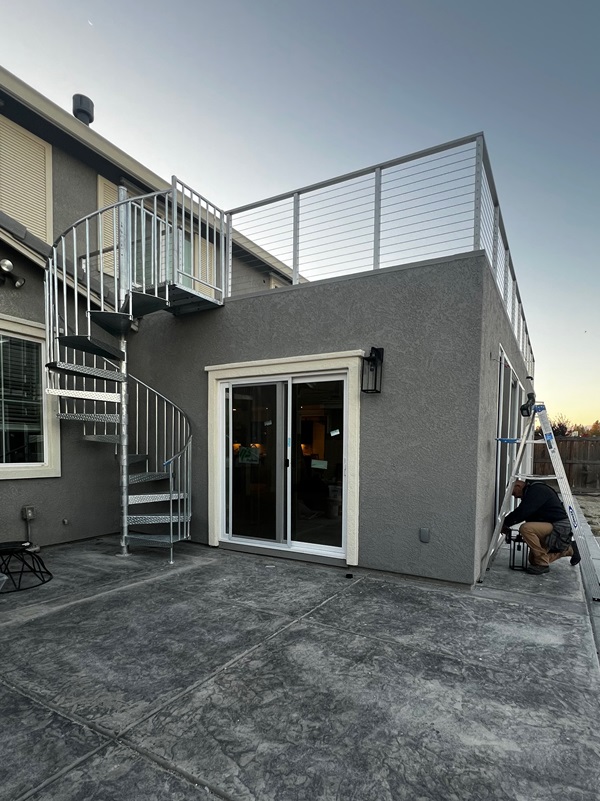
Well-executed additions demonstrate consistent value growth when designed to meet current market expectations. Attention to quality materials and code-compliant construction supports sustained returns over time.
Factors That Influence Returns
Proximity to transportation corridors, schools, and amenities plays a notable role in final outcomes. Seamless integration with existing home features further enhances perceived value and market competitiveness.
Choosing the right option aligns financial goals with lifestyle needs. Reach out for a complimentary consultation.
Deciding When to Choose an ADU Over a Second-Story Addition
Homeowners often select an ADU when independent living quarters are needed for aging relatives, adult children returning home, or generating rental revenue. Properties with limited yard space or historic preservation considerations sometimes favor this approach as well. Families requiring private accommodations lean toward ADUs, whereas those desiring expanded shared spaces commonly choose second-story additions. A careful assessment of your specific lot characteristics, household composition, and future intentions clarifies the most appropriate solution.
Perfect Situations for ADU
Multigenerational households, empty nesters planning for future needs, or investors seeking income properties often find ADUs most suitable. The separate entrance provides privacy without requiring major alterations to the primary dwelling.
Scenarios Where Second-Story Additions Excel
Growing families in need of additional bedrooms or seniors desiring accessible main-level connections may prefer second-story additions. The connected design promotes natural family interaction while expanding usable living area.
Framework for Decision Making
Reviewing lot dimensions, budget constraints, and long-range plans provides a structured way to evaluate options. Considering daily routines and how each choice affects household dynamics brings greater clarity to the selection process.
Family Expansion Scenarios
Young families requiring extra bedrooms and seniors needing accessible solutions illustrate common decision points. Both approaches can adapt to evolving household requirements when planned with care and local expertise.
The right choice reduces daily stress and supports your family’s future. Contact us for a complimentary consultation.
Seismic Retrofitting and Structural Considerations for Both Options
Properties in the Bay Area must address seismic safety standards during significant expansion projects. Foundation strengthening, cripple wall bracing, and shear wall installations frequently become necessary components of both ADU and second-story addition work. Thorough structural evaluation and proper reinforcement deliver lasting safety and protect your investment against future seismic events. Professional teams incorporate these essential elements early in the planning stage to avoid later complications and ensure full code compliance.
Foundation and Load-Bearing Requirements
Second-story additions add substantial weight to existing foundations, requiring careful analysis and potential upgrades. ADUs may involve independent footings depending on the chosen configuration. Detailed assessments help prevent structural issues and maintain long-term stability.
Integration with Other Remodeling
Combining home additions with kitchen remodeling, bathroom remodeling, or flooring projects creates harmonious results throughout the residence. Coordinated execution ensures all elements complement one another and function as a unified whole after completion. kitchen and bathroom remodeling services.
Energy Efficiency and Accessible Design
Contemporary projects incorporate sustainable materials and accessibility features that improve comfort and usability for years ahead. These enhancements support environmental responsibility and may provide additional practical benefits for residents of all ages.
Code Compliance Practices
Local building departments across Contra Costa County and adjacent regions enforce specific requirements that demand attentive planning. Familiarity with regional standards facilitates smoother approvals and reduces the likelihood of costly revisions during construction.
Proper structural work provides lasting peace of mind. Reach out for a complimentary consultation.
United Constructors brings more than thirty years of experience serving homeowners throughout Contra Costa County and neighboring communities. The team specializes in managing complete home additions with emphasis on quality craftsmanship and client communication. Learn more about our approach on the about us page or explore ADU and remodel services.
One Walnut Creek homeowner shared how the entire process felt organized and stress-free from initial consultation through final walkthrough. A Danville family praised the seamless integration of their new space with existing rooms, noting the attention to detail exceeded expectations. Another client in Lafayette highlighted the clear explanations and reliable timeline adherence that made their project enjoyable rather than overwhelming.
You deserve relief from overcrowded living conditions and the satisfaction of a home that truly supports your family’s lifestyle. Transparent cost information, realistic scheduling, and expert handling of seismic requirements combine to deliver both emotional comfort and sound financial decision-making. Careful planning and proven execution transform initial uncertainty into a successful, valuable improvement that enhances daily living for years ahead.
1251 Stone Valley Rd, Alamo, CA 94507. Call (925) 234-9023 today to discuss your ADU vs second story addition project and move forward with confidence. Additional insights are available on our reviews page and frequently asked questions.
We Can Help! Contact Us Today.
If you are considering professional ADU vs second story addition services, experienced guidance simplifies the entire journey from concept to completion. Our team provides clear explanations and practical recommendations tailored to your specific property and goals. Whether your focus centers on rental potential, family growth, or long-term home value, the appropriate solution delivers both emotional reassurance and logical financial advantages. You gain peace of mind knowing safety standards will be met while the finished space aligns perfectly with your daily needs and budget parameters. The satisfaction of a well-executed home addition creates lasting enjoyment and often contributes positively to overall property worth. Selecting a reliable local partner minimizes disruption and maximizes satisfaction with the final outcome. Reach out today to begin planning and take the next step toward realizing your vision for a more functional and comfortable home.
United Constructors Inc.
Address: 1251 Stone Valley Rd Alamo, CA 94507Phone: (925) 234-9023
Email: cash@builduci.com
United Constructors Inc.
Adu Architects Near Me Pleasanton, CA
Adu Companies Near Me Pleasanton, CA
Best Adu Builders Pleasanton, CA
Adu Company Near Me Pleasanton, CA
Adu Remodel Pleasanton, CA
Adu Specialist Pleasanton, CA
Adu Contractors Near Me Pleasanton, CA
Adu Construction Near Me Pleasanton, CA
Adu Garage Conversion Contractor Near Me Pleasanton, CA
Best Adu Builders Pleasanton, CA
Accessory Dwelling Unit Builders Near Me Pleasanton, CA
Adu Construction Company Pleasanton, CA
Adu Companies Near Me Pleasanton, CA
Adu Companies Near Me Pleasanton, CA
Adu Architects Near Me Pleasanton, CA
Adu Home Builders Near Me Pleasanton, CA
Adu Contrator Pleasanton, CA
Adu Construction Services Pleasanton, CA
Adu Architects Near Me Pleasanton, CA
Accessory Dwelling Unit Builders Near Me Pleasanton, CA
Adu Company Near Me Pleasanton, CA
Adu General Contractor Pleasanton, CA
Adu Contractor Near Me Pleasanton, CA
Adu Companies Near Me Pleasanton, CA
Adu Construction Companies Pleasanton, CA
Adu Contrator Pleasanton, CA
Adu Custom Homes Pleasanton, CA
Adu Remodel Pleasanton, CA
Custom Adu Builders Pleasanton, CA
Adu Contractor Near Me Pleasanton, CA
Adu Contractor Near Me Pleasanton, CA
Adu Services Near Me Pleasanton, CA
Adu Architects Near Me Pleasanton, CA
Adu Builder Near Me Pleasanton, CA
Adu Services Near Me Pleasanton, CA
Adu Construction Companies Pleasanton, CA
Custom Adu Builders Pleasanton, CA
Adu Architects Near Me Pleasanton, CA
Adu Construction Companies Pleasanton, CA
Adu Contractors Near Me Pleasanton, CA
Adu Contractors Near Me Pleasanton, CA
Adu Construction Company Pleasanton, CA
Adu General Contractor Pleasanton, CA
Adu Contrator Pleasanton, CA
Adu Company Near Me Pleasanton, CA
Adu Companies Pleasanton, CA
Adu General Contractor Pleasanton, CA
Adu Garage Conversion Contractor Near Me Pleasanton, CA
Adu Custom Homes Pleasanton, CA
Companies Near Me Seo Specialist Pleasanton, CA
Finding A Good Seo Near Me Pleasanton, CA
United Constructors Inc.
Adu Building Contractors Pleasanton, CA
Adu Builders Near Me Pleasanton, CA

Table of Contents
- – United Constructors Inc.
- – Understanding the Difference Between an ADU an...
- – Understanding Accessory Dwelling Unit Fundame...
- – Overview of Second-Story Additions
- – Key Structural Differences
- – When Each Option Fits Best
- – How Much Does an ADU vs Second Story Addition ...
- – ADU Cost Breakdown
- – Second-Story Addition Cost Factors
- – Financing Options and ROI Factors
- – Local Market Pricing Trends
- – ADU or Second-Story Addition: Which Has the Fa...
- – ADU Project Phases
- – Second-Story Addition Phases
- – Ways to Avoid Common Delays
- – Realistic Scheduling Tips
- – Permitting and California State Laws for ADU v...
- – Comparing State and Local Requirements
- – Typical Permitting Challenges
- – Policy and Practice Differences in Contra Costa
- – Effective Compliance Practices
- – Comparing ROI and Rental Income for Second-Sto...
- – Potential for Rental Income
- – Resale Value Impact
- – Metrics for Long-Term Performance
- – Factors That Influence Returns
- – Deciding When to Choose an ADU Over a Second-S...
- – Perfect Situations for ADU
- – Scenarios Where Second-Story Additions Excel
- – Framework for Decision Making
- – Family Expansion Scenarios
- – Seismic Retrofitting and Structural Considerat...
- – Foundation and Load-Bearing Requirements
- – Integration with Other Remodeling
- – Energy Efficiency and Accessible Design
- – Code Compliance Practices
- – We Can Help! Contact Us Today.
- – United Constructors Inc.
Latest Posts
Best Adu Builders Pleasanton
Pleasanton Adu Contractor
Best Eye Insurance For Seniors Fountain Valley
More
Latest Posts
Best Adu Builders Pleasanton
Pleasanton Adu Contractor
Best Eye Insurance For Seniors Fountain Valley