All Categories
Featured
Table of Contents
- – United Constructors Inc.
- – What Is a Realistic Remodeling Timeline?
- – Average Durations by Project Type
- – Why Bay Area Projects Differ from National Av...
- – Building in Realistic Buffers
- – How Long Does Planning and Permitting Take in ...
- – Key Steps in the Planning Phase
- – Contra Costa County Permitting Process Details
- – Common Delays and Prevention Strategies
- – Impact on Overall Remodeling Timeline
- – What Are the Main Phases of a Home Remodel Tim...
- – Phase 1 – Vision and Feasibility
- – Initial Consultations
- – Feasibility Assessment
- – Phase 2 – Design and Documentation
- – Team Assembly
- – Phase 3 – Demolition and Rough Work
- – Structural Adjustments
- – Phase 4 – Installations and Finishes
- – Custom Elements
- – What Causes Delays in Bay Area Remodeling Time...
- – Permitting and Inspection Bottlenecks
- – Material Lead Times and Supply Chain Issues
- – Scope Creep and Change Orders
- – Weather and External Factors
- – How Do Specific Services Fit into the Remodeli...
- – Kitchen Remodeling Timeline Breakdown
- – Bathroom Remodeling Timeline Details
- – Whole House and Addition Timelines
- – Flooring and Exterior Integration
- – How Seismic Retrofitting and Code Compliance A...
- – Seismic Requirements in Contra Costa County
- – Energy-Efficient and Accessibility Standards
- – Integration with Overall Phases
- – Areas We Serve Throughout Contra Costa County ...
- – Frequently Asked Questions About Remodeling Ti...
- – How long does a kitchen remodel take in Contr...
- – What causes the most delays in Bay Area remod...
- – How much buffer should I build into my remode...
- – Does seismic retrofitting extend the timeline...
- – What is the average whole house remodeling ti...
- – How long does a bathroom remodel take?
- – How do permits affect the remodeling timeline...
- – What is the best way to avoid remodeling delays?
- – How does material lead time impact the timeline?
- – What should I expect during the final walkthr...
- – We Can Help! Contact Us Today
- – United Constructors Inc.
You have likely stood in your Contra Costa County home—perhaps in Danville, Pleasant Hill, or San Ramon—envisioning updates that better fit your current needs. An updated kitchen, better-flowing open floor plan, or refreshed bathroom has the power to redefine everyday living. The excitement is real, but so is the concern: how long will a remodeling timeline take? How long is a realistic home remodeling timeline in the Bay Area? These concerns surface for almost every homeowner along the I-680 freeway corridor. Any remodel creates upheaval—dust clouds, ongoing noise, and temporary kitchen setups—and reports of endless timelines create doubt. Countless homeowners finish successful remodels when expectations match actual conditions. A standard remodeling timeline changes with project complexity: kitchen remodel timeline often three to six months, bathroom renovation timeline between two and four months, whole house remodeling timeline six to eighteen months. Throughout Contra Costa County, local elements like permitting, seismic retrofitting, and Title 24 compliance lengthen timelines compared to national averages. Many feel this same mix of excitement and worry. With structured phases, transparent communication, and built-in buffers, the experience moves from chaotic to manageable. Grasping renovation stages, frequent delays, and practical buffers turns doubt into readiness. This guide details the full scope of construction timeline planning and realistic expectations, covering key phases, local influences, delay prevention, service integration, and more to enable confident planning and fearless progress.
Most homeowners start their remodeling journey with genuine enthusiasm for the finished space: a kitchen remodeling timeline featuring open-concept flow into living spaces, a bathroom remodeling timeline including spa features like frameless showers and heated floors, or a comprehensive whole house remodeling timeline that transforms everyday family life. Yet one question consistently rises above the rest: how much time will the project truly require? A realistic remodeling timeline provides the clarity needed to make smart, confident decisions, coordinate contractors, and prepare your household. In the Bay Area, where regulations and supply chains add complexity, careful planning takes on greater significance. This resource carefully explains all facets of construction timeline planning so you can advance with complete assurance.
What Is a Realistic Remodeling Timeline?
A practical remodeling timeline represents a thorough, phased schedule that balances ambitious project goals with practical realities, including design development, permitting, building work, inspections, and buffers for unexpected issues. Unlike generic national estimates, a properly realistic remodeling timeline incorporates Bay Area-unique considerations such as rigorous seismic requirements, Title 24 compliance mandates, multiple-agency permitting timelines, and inconsistent supply chain lead times. Harvard Joint Center for Housing Studies research shows consistent demand for home improvements, yet Contra Costa County remodels frequently extend 20–40% beyond national norms. Individuals looking up how long does a remodeling timeline take or average home remodel duration deserve accurate, locally tailored responses. A robust remodeling timeline builds in 15–30% contingency buffers to safeguard against weather-related interruptions, inspection delays, material shortages, or concealed structural issues uncovered during the work. Accurate expectations prevent budget overruns, reduce emotional strain, and allow homeowners to plan temporary living arrangements effectively. Transparent timelines also foster trust between homeowners and contractors, transforming what could be a stressful ordeal into a well-organized, predictable path to a beautifully updated home.
Average Durations by Project Type
Typical kitchen remodeling timelines usually last 3–6 months, covering initial design, rough-ins for plumbing and electrical, cabinetry installation, quartz countertops, and final detailing. Bathroom remodeling timelines usually span 2–4 months, focusing on waterproofing, fixture sequencing, walk-in shower installation, heated floor systems, frameless glass doors, floating vanity design, and eco-friendly fixture placement. Whole house remodeling timelines typically extend from 6–18 months, covering structural modifications, open floor plan reconfiguration, foundation repairs, whole-home mechanical upgrades, multi-room finishes, and exterior coordination.
Why Bay Area Projects Differ from National Averages
Title 24 mandates comprehensive calculations and inspections that most national projects bypass. Seismic upgrades requires engineering reviews and structural reinforcement not typically mandated in other regions. Multi-jurisdiction permitting in Contra Costa County adds layers of review. These factors extend remodeling timelines significantly in the Bay Area.
Building in Realistic Buffers
Industry standard calls for 15–30% contingency buffers. This safeguards against supply chain delays, inspection scheduling problems, or concealed structural conditions. This method safeguards finances and eases homeowner tension throughout the remodeling process.
Accurate timelines foster trust and reduce anxiety. Get in touch for a complimentary timeline evaluation designed for your Contra Costa County residence. Explore how we handle project management here and understand our team capabilities here.
How Long Does Planning and Permitting Take in Contra Costa County?
Planning combined with permitting creates the vital pre-construction core of every remodeling timeline, often representing the longest non-construction phase. Throughout Contra Costa County, this phase generally spans 2–6 months, with more complex structural modifications or additions pushing toward the higher end. Getting involved early in design, budgeting, and permit readiness avoids costly redesigns down the line. Many homeowners undervalue this critical step, yet it determines the project's feasibility, cost accuracy, and construction start date. Local departments insist on detailed packages containing Title 24 compliance calculations, seismic engineering plans, zoning approvals, and structural assessments. Experienced contractors create detailed, regulation-ready packages that accelerate approvals and protect the full remodeling timeline. Skipping early planning or submitting incomplete documents frequently causes the most significant delays homeowners experience.
Key Steps in the Planning Phase
Establishing the vision defines project objectives and boundaries. Site assessment reveals current conditions and limitations. Early cost estimation aligns homeowner expectations with practical numbers. Material selection considers lead times, durability, and code compliance. These actions establish the basis for a successful remodeling timeline.
Contra Costa County Permitting Process Details
Online portals make initial submissions more efficient, but Title 24 documentation requires detailed energy modeling. Seismic engineering review is mandatory for structural alterations. Plan examination duration varies based on project complexity and department capacity. Thorough preparation ensures faster processing and minimizes back-and-forth.
Common Delays and Prevention Strategies
Incomplete drawings, missing calculations, or unclear specifications trigger revision requests. Submit fully detailed packages from the outset. Work with knowledgeable professionals familiar with local rules and who predict reviewer concerns. Addressing these early maintains the remodeling timeline schedule.
Impact on Overall Remodeling Timeline
Permitting holdups immediately postpone construction beginnings. Early resolution preserves downstream momentum and prevents costly idle time for trades. Proper handling keeps the entire remodeling timeline on track.
Solid planning shortens the entire project and eliminates surprises. Contact us today for professional advice on your local permitting timeline. Explore our kitchen and bathroom remodeling services here and our expertise in ADUs and remodels here.
What Are the Main Phases of a Home Remodel Timeline?
A successful remodeling timeline follows a clear, logical sequence of phases beginning at concept and concluding with project completion. Each phase includes specific deliverables, milestones, and dependencies that allow homeowners to track progress and plan accordingly. Throughout the Bay Area, seismic upgrades, energy efficiency requirements, and accessibility modifications fit seamlessly into these phases. Grasping the full sequence assists with temporary living planning, expectation management, and keeping realistic timelines throughout the project. Effective phase sequencing ensures trades work together smoothly, minimizing conflicts and downtime.
Phase 1 – Vision and Feasibility
Setting clear objectives defines lifestyle needs and project parameters. Site review assesses present conditions and reveals opportunities. Early cost projections give initial financial insight. These early steps prevent miscommunication and costly modifications down the line in the remodeling timeline.
Initial Consultations
Talk through scope, preferences, and limitations candidly. Match the vision to real-world possibilities. This conversation sets clear direction right from the start.
Feasibility Assessment
Zoning review confirms allowable alterations. Structural assessment determines reinforcement necessities. Early engineering specifies required elements. These evaluations confirm project feasibility early.
Phase 2 – Design and Documentation
Thorough plans take shape with precise details and regulatory compliance. 3D visualization shows results and permits modifications. Material decisions secure finishes, durability, and regulatory standards. This phase establishes firm direction and prevents subsequent modifications.
Team Assembly
Architects contribute creative design expertise. Engineers manage structural calculations and regulatory requirements. Specialty consultants address unique elements such as accessibility or energy efficiency. Coordinated teamwork delivers complete planning.
Phase 3 – Demolition and Rough Work
Selective demolition removes outdated elements safely. Framing builds the updated structural skeleton. Rough-in work places necessary plumbing, electrical, and HVAC infrastructure. This stage changes the space and prepares for finishing work.
Structural Adjustments
Removing load-bearing walls creates open living spaces. Beam reinforcement strengthens frameworks. Foundation prep supports additions or heavy modifications. These modifications establish a solid base for subsequent phases.
Phase 4 – Installations and Finishes
Drywall placement closes wall cavities. Flooring delivers comfort and durability. Cabinetry and fixtures provide practical function. Painting completes the aesthetic vision. This phase transforms the design into reality.
Custom Elements
Quartz countertops provide long-lasting beauty. Custom cabinets maximize storage and aesthetic appeal. Smart integration adds convenience and operational efficiency. These details elevate the final result.
Organized phases produce reliable progress and homeowner confidence. Contact us to outline the phases specific to your remodel. Discover our windows, doors, and floors expertise here, our electrical and plumbing capabilities here, and our interior/exterior painting services here.
What Causes Delays in Bay Area Remodeling Timelines and How to Avoid Them?
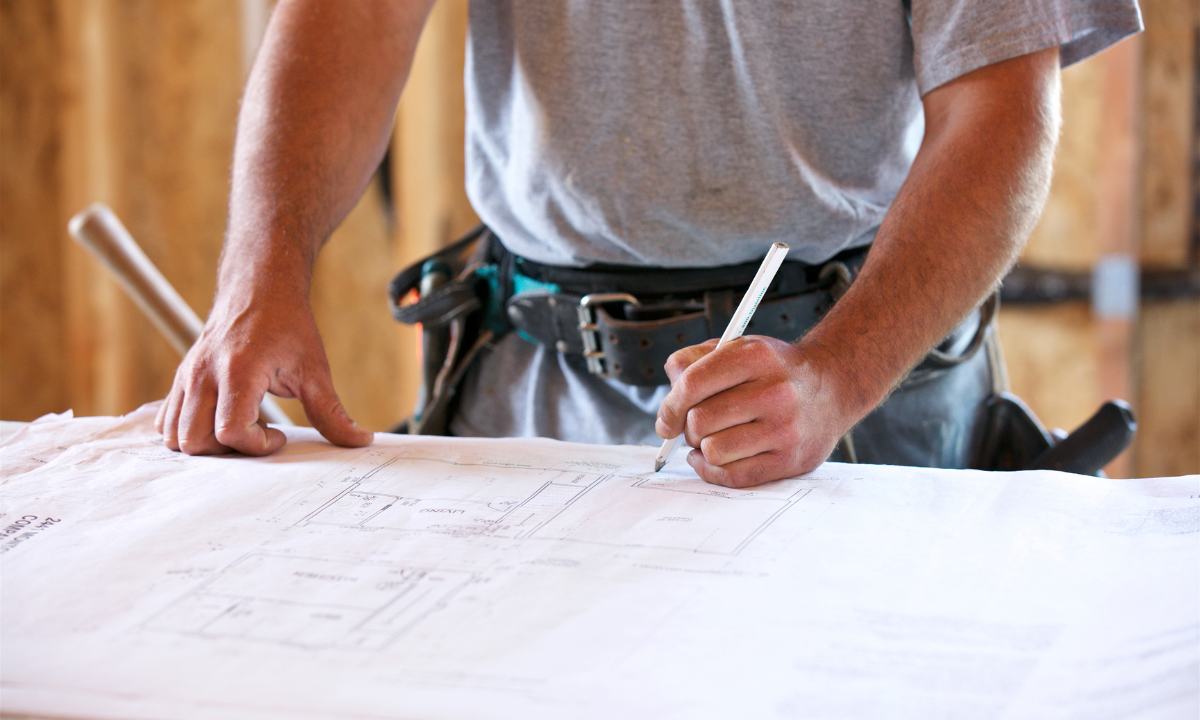
Timeline delays represent the primary worry for homeowners embarking on remodeling projects, yet the majority stem from predictable and preventable issues. In the Contra Costa area, permitting queues, supply shortages, scope changes, and inspection scheduling top the causes. Seasonal weather influences exterior construction. Unexpected conditions like dry rot, outdated electrical, or asbestos commonly emerge during demolition. Proactive strategies—early material procurement, finalized design decisions, flexible scheduling, and strong communication—preserve timelines and protect budgets. Handling these risks proactively turns possible stress into a managed, predictable experience.
Permitting and Inspection Bottlenecks
Various agency reviews and plan revisions hinder speed (Adu Remodel San Leandro). Deliver detailed, correct packages to speed up processing. Knowledgeable teams predict reviewer concerns and prepare in advance
Material Lead Times and Supply Chain Issues
Custom, sustainable, or unique materials need longer lead times. Order during the design phase to align with construction. This eliminates idle time and keeps subcontractors productive.
Scope Creep and Change Orders
Changes during construction increase both time and expense. Secure decisions early to limit alterations. Adu Remodel San Leandro. Firm decisions minimize disruptions to the remodeling timeline
Weather and External Factors
Changing Bay Area weather affects exterior and foundation phases. Arrange flexible indoor tasks during changeable weather. Weather-aware scheduling keeps the project moving.
Proactively handling delays preserves schedules and lowers stress. Let's examine delay prevention approaches for your remodel. Discover our dry rot repair and siding expertise here and our landscaping and patio construction knowledge here.
How Do Specific Services Fit into the Remodeling Timeline?
Different services occupy targeted positions within the remodeling timeline, each needing precise ordering to avoid bottlenecks. Kitchens demand extensive plumbing and electrical coordination. Bathroom remodels focus on waterproofing and fixture sequencing. Full-house remodels sequence numerous trades across stages. Additions place foundation and seismic work early in the process. Correct sequencing guarantees smooth handoffs, reduces rework, and produces superior outcomes. Each element plays a specific role in overall project achievement.
Kitchen Remodeling Timeline Breakdown
Demolition eliminates the existing kitchen setup. Rough-ins establish plumbing and electrical foundations. Cabinetry work builds framework and storage capacity. Countertops and appliances deliver practical use and beautiful design. This progression builds practical, stunning kitchens.
Bathroom Remodeling Timeline Details
Plumbing rough-in sets fixture locations. Tile application builds durable, water-resistant surfaces. Shower and vanity installation finishes practical use. Careful sequencing ensures quality and longevity.
Whole House and Addition Timelines
Structural modifications create the basic framework. Mechanical systems combine smoothly. Finishes create cohesive aesthetics throughout spaces. Exterior work connects additions to the original structure.
Flooring and Exterior Integration
Refinishing revives hardwood elegance. Outdoor features increase usable living area. Painting coordination creates unified aesthetics. These features realize the complete vision.

Service-specific timing promotes efficiency and quality outcomes. Contact us for a customized service timeline. Check our 3D design services here, our custom craftsmanship options here, and our San Ramon kitchen remodeling expertise here.
How Seismic Retrofitting and Code Compliance Affect Your Timeline
Seismic upgrades and regulatory compliance are essential in Contra Costa County, extending targeted phases of the remodeling timeline. Engineering evaluation and reinforcement generally contribute 4–8 weeks. Title 24 regulations mandate early paperwork and inspections to eliminate rework. Early integration provides safety, code adherence, and minimal impact on the complete schedule. These standards protect your property and offer enduring confidence.
Seismic Requirements in Contra Costa County
Foundation bolting anchors the building to its foundation. Cripple wall bracing strengthens perimeter walls. Beam reinforcement increases load-bearing strength. This work fulfills California seismic requirements.
Energy-Efficient and Accessibility Standards
Heated floors improve comfort and efficiency. Low-flow fixtures decrease water usage. Accessible layouts enable aging-in-place functionality. These features add value and functionality.
Integration with Overall Phases
Incorporate compliance during rough-in phases. This limits additional schedule interruptions. Correct integration simplifies the complete process.
Proper compliance delivers safety and schedule reliability. Contact us for professional seismic and code guidance. Discover our Danville ADU construction specialists here and our Lafayette ADU construction services here.
Areas We Serve Throughout Contra Costa County California
Residents throughout Contra Costa County and nearby areas trust in realistic remodeling timelines customized to local regulations and conditions. Starting from Alamo and Walnut Creek along the I-680 corridor through Lafayette, Danville, Moraga, Orinda, Pleasant Hill, San Ramon, Hercules, El Cerrito, Pinole, Albany, Berkeley, San Pablo, Concord, Pittsburg, Martinez, Diablo, Clayton, Port Costa, Benicia, Antioch, Canyon, Crockett, Rodeo, Oakland, El Sobrante, Suisun City, Vallejo, Birds Landing, Richmond, Brentwood, Oakley, plus areas in Alameda County, Solano County, San Francisco County, and Marin County—regional expertise guarantees accurate scheduling and full compliance. Each location features distinct permitting details and construction standards that affect timelines.
Wherever you reside in the region, accurate local timelines minimize uncertainty and stress. Get in touch to review your region-specific schedule. See our contact information here and discover Walnut Creek general contracting options here, Walnut Creek kitchen remodeling, Walnut Creek bathroom renovations, Walnut Creek ADU construction, Lafayette general contractor services, Lafayette kitchen remodeling, Lafayette luxury bathroom renovations, and Lafayette ADU construction here.
Frequently Asked Questions About Remodeling Timelines
How long does a kitchen remodel take in Contra Costa County?
A kitchen remodel timeline generally spans 3–6 months. This covers planning and permitting (2–4 months), demolition and rough work (2–4 weeks), installations (2–3 months), and final details. Regional mandates including Title 24 and seismic requirements affect length. Early preparation shortens waits, while buffers accommodate surprises, fostering realistic expectations throughout. For complete details, explore our kitchen and bathroom remodeling options here.
What causes the most delays in Bay Area remodeling timelines?
Permitting delays, material unavailability, scope changes, and inspection timing top the list. Local Contra Costa reviews lengthen timelines for structural and Title 24 compliance. Mid-project changes add significant time. Avoidance depends on thorough submissions, advance ordering, and locked decisions. See our frequently asked questions for more insights here.
How much buffer should I build into my remodeling timeline?
15–30% contingency is the industry norm. This covers inspections, weather interruptions, or concealed issues. Throughout the Bay Area, contingency buffers successfully address common permitting and supply chain delays. Find out more on our about page here.
Does seismic retrofitting extend the timeline significantly?
Generally 4–8 weeks when sequenced properly. Engineering and structural work occur during rough-in phases. Early planning limits overall impact. Explore our ADU and remodel services here.
What is the average whole house remodeling timeline?
Six to eighteen months throughout the Bay Area, depending on project scope. Additions or major structural work increase overall duration. Structured phases and buffers keep the timeline manageable. Explore our custom work options here.
How long does a bathroom remodel take?
Typically 2–4 months. Planning and permitting require 1–3 months, with construction spanning 4–8 weeks. Waterproofing and fixture placement require exact sequencing. See our bathroom renovations in Walnut Creek here.
How do permits affect the remodeling timeline in Contra Costa County?
Permitting typically adds 2–6 months prior to construction. Structural changes prompt extended reviews. Comprehensive packages accelerate approval. Reach our contact page for help here.
What is the best way to avoid remodeling delays?
Proactive planning, transparent communication, timely ordering, and buffer inclusion. Knowledgeable teams anticipate and prevent problems. Read our client reviews for real examples here.
How does material lead time impact the timeline?
Custom or sustainable items delay phases. Procuring materials during design synchronizes with construction schedule. Explore our custom craftsmanship options here.
What should I expect during the final walkthrough?
Thorough inspection identifies touch-ups. Final cleanup readies the space for handover. Confirms full satisfaction before project finalization. Check our frequently asked questions for more details here.
You've explored every aspect of remodeling timeline planning and realistic expectations—from core phases and delay factors to local Contra Costa County influences. With over 30 years of proven experience since 1995, our professionals skillfully handle permits, seismic upgrades, Title 24 requirements, and Bay Area challenges to achieve consistent success. Clients share positive experiences: a Walnut Creek homeowner finished their open-concept kitchen ahead of schedule, praising regular communication and low disruption. A Lafayette resident appreciated smooth seismic integration, completing early. One Danville homeowner commended the flawless incorporation of accessibility elements in their bathroom renovation. We back every project with our satisfaction guarantee and commitment to excellence.
United Constructors Inc., 1251 Stone Valley Rd, Alamo, CA 94507, (925) 234-9023.
Relief from outdated environments, excitement for renewed spaces, trust in professional handling, pride in superior craftsmanship, and security in compliant, safe results drive remodeling choices. Logically, decades of regional expertise, meticulous phase planning, protective buffers, open communication, and consistent on-time delivery justify the decision—safeguarding investments and yielding strong returns.
We Can Help! Contact Us Today
If you're pursuing professional construction timeline planning in California, we stand as your reliable partner. Our licensed professionals focus on remodeling timeline planning and associated services, producing consistent, excellent results. Whether you're a homeowner planning kitchen updates, bathroom renovations, whole house transformations, or home additions, we've handled numerous projects with exactness and dedication. Conveniently located near I-680 in Contra Costa County, we cover Contra Costa County and surrounding communities. Complimentary consultation available. With decades of experience and our satisfaction guarantee, we guarantee your project success. Let us support your vision with confidence!
Schedule Complimentary Consultation + Timeline Checklist
United Constructors Inc.
Address: 1251 Stone Valley Rd Alamo, CA 94507Phone: (925) 234-9023
Email: cash@builduci.com
United Constructors Inc.
Adu Contractor Near Me San Leandro, CA
Adu Home Addition Contractor San Leandro, CA
Adu Builders Near Me San Leandro, CA
Adu Garage Conversion Contractor Near Me San Leandro, CA
Adu Contractor Near Me San Leandro, CA
Adu Building Contractors San Leandro, CA
Adu Designers Near Me San Leandro, CA
Accessory Dwelling Unit Builders Near Me San Leandro, CA
Adu Remodel San Leandro, CA
Accessory Dwelling Unit Builders Near Me San Leandro, CA
Best Adu Builders San Leandro, CA
Adu Construction Near Me San Leandro, CA
Adu Garage Conversion Contractor Near Me San Leandro, CA
Adu Companies San Leandro, CA
Adu Garage Conversion Contractor Near Me San Leandro, CA
Adu Companies Near Me San Leandro, CA
Adu Contractor Near Me San Leandro, CA
Adu Contractor Near Me San Leandro, CA
Adu Specialist Near Me San Leandro, CA
Adu Companies San Leandro, CA
Adu Contractors Near Me San Leandro, CA
Adu Construction Companies San Leandro, CA
Adu Construction Company San Leandro, CA
Adu Builder Near Me San Leandro, CA
Custom Adu Builders San Leandro, CA
Adu Construction Services San Leandro, CA
Adu Contractors Near Me San Leandro, CA
Adu Builders Near Me San Leandro, CA
Adu Designers Near Me San Leandro, CA
Adu General Contractor San Leandro, CA
Adu Builders Near Me San Leandro, CA
Adu Construction Services San Leandro, CA
Adu Garage Builders San Leandro, CA
Adu Home Addition Contractor San Leandro, CA
Adu Building Contractors San Leandro, CA
Adu Specialist San Leandro, CA
Adu Designers Near Me San Leandro, CA
Adu Designers Near Me San Leandro, CA
Adu Specialist Near Me San Leandro, CA
Adu Company Near Me San Leandro, CA
Adu Contrator San Leandro, CA
Adu Construction Company San Leandro, CA
Adu Services Near Me San Leandro, CA
Adu Remodel San Leandro, CA
Adu Services Near Me San Leandro, CA
Adu Contractors Near Me San Leandro, CA
Adu Architects Near Me San Leandro, CA
Adu Specialist Near Me San Leandro, CA
Adu Builder Near Me San Leandro, CA
Close By Seo Services Pricing San Leandro, CA
Near My Location Seo Services For Small Business San Leandro, CA
United Constructors Inc.
Custom Adu Builders San Leandro, CA
Adu Specialist San Leandro, CA

Table of Contents
- – United Constructors Inc.
- – What Is a Realistic Remodeling Timeline?
- – Average Durations by Project Type
- – Why Bay Area Projects Differ from National Av...
- – Building in Realistic Buffers
- – How Long Does Planning and Permitting Take in ...
- – Key Steps in the Planning Phase
- – Contra Costa County Permitting Process Details
- – Common Delays and Prevention Strategies
- – Impact on Overall Remodeling Timeline
- – What Are the Main Phases of a Home Remodel Tim...
- – Phase 1 – Vision and Feasibility
- – Initial Consultations
- – Feasibility Assessment
- – Phase 2 – Design and Documentation
- – Team Assembly
- – Phase 3 – Demolition and Rough Work
- – Structural Adjustments
- – Phase 4 – Installations and Finishes
- – Custom Elements
- – What Causes Delays in Bay Area Remodeling Time...
- – Permitting and Inspection Bottlenecks
- – Material Lead Times and Supply Chain Issues
- – Scope Creep and Change Orders
- – Weather and External Factors
- – How Do Specific Services Fit into the Remodeli...
- – Kitchen Remodeling Timeline Breakdown
- – Bathroom Remodeling Timeline Details
- – Whole House and Addition Timelines
- – Flooring and Exterior Integration
- – How Seismic Retrofitting and Code Compliance A...
- – Seismic Requirements in Contra Costa County
- – Energy-Efficient and Accessibility Standards
- – Integration with Overall Phases
- – Areas We Serve Throughout Contra Costa County ...
- – Frequently Asked Questions About Remodeling Ti...
- – How long does a kitchen remodel take in Contr...
- – What causes the most delays in Bay Area remod...
- – How much buffer should I build into my remode...
- – Does seismic retrofitting extend the timeline...
- – What is the average whole house remodeling ti...
- – How long does a bathroom remodel take?
- – How do permits affect the remodeling timeline...
- – What is the best way to avoid remodeling delays?
- – How does material lead time impact the timeline?
- – What should I expect during the final walkthr...
- – We Can Help! Contact Us Today
- – United Constructors Inc.
Latest Posts
Travel Trailer Service Orange County
Silverado Travel Trailer Replacement Windows
Orange Motorhome Custom Paint
More
Latest Posts
Travel Trailer Service Orange County
Silverado Travel Trailer Replacement Windows
Orange Motorhome Custom Paint